Al-Hadba UniversityUN Sustainable Development Goals

Sustainability Policies

Al-Hadba University is deeply committed to advancing the United Nations Sustainable Development Goals (SDGs) through a comprehensive set of institutional policies that promote sustainability, social responsibility, and ethical governance. These policies ensure that environmental stewardship, equality, inclusion, and transparency are embedded across all areas of university life from academic practices and campus operations to community engagement and research. By fostering a safe, fair, and inclusive environment for students, staff, and partners, the University strives to minimize its environmental impact, uphold human rights, and contribute positively to the well-being of society. Together, this reflect the University's dedication to building a sustainable future.

Al-Hadba University upholds a strong commitment to creating a fair, safe, and inclusive environment for all members of its community. In alignment with the United Nations Sustainable Development Goals (SDGs), the University has established a series of social and ethical policies designed to promote equality, protect human rights, and ensure the well-being of students, staff, and partners. These policies collectively foster a respectful and supportive campus culture, free from discrimination, exploitation, and harm.

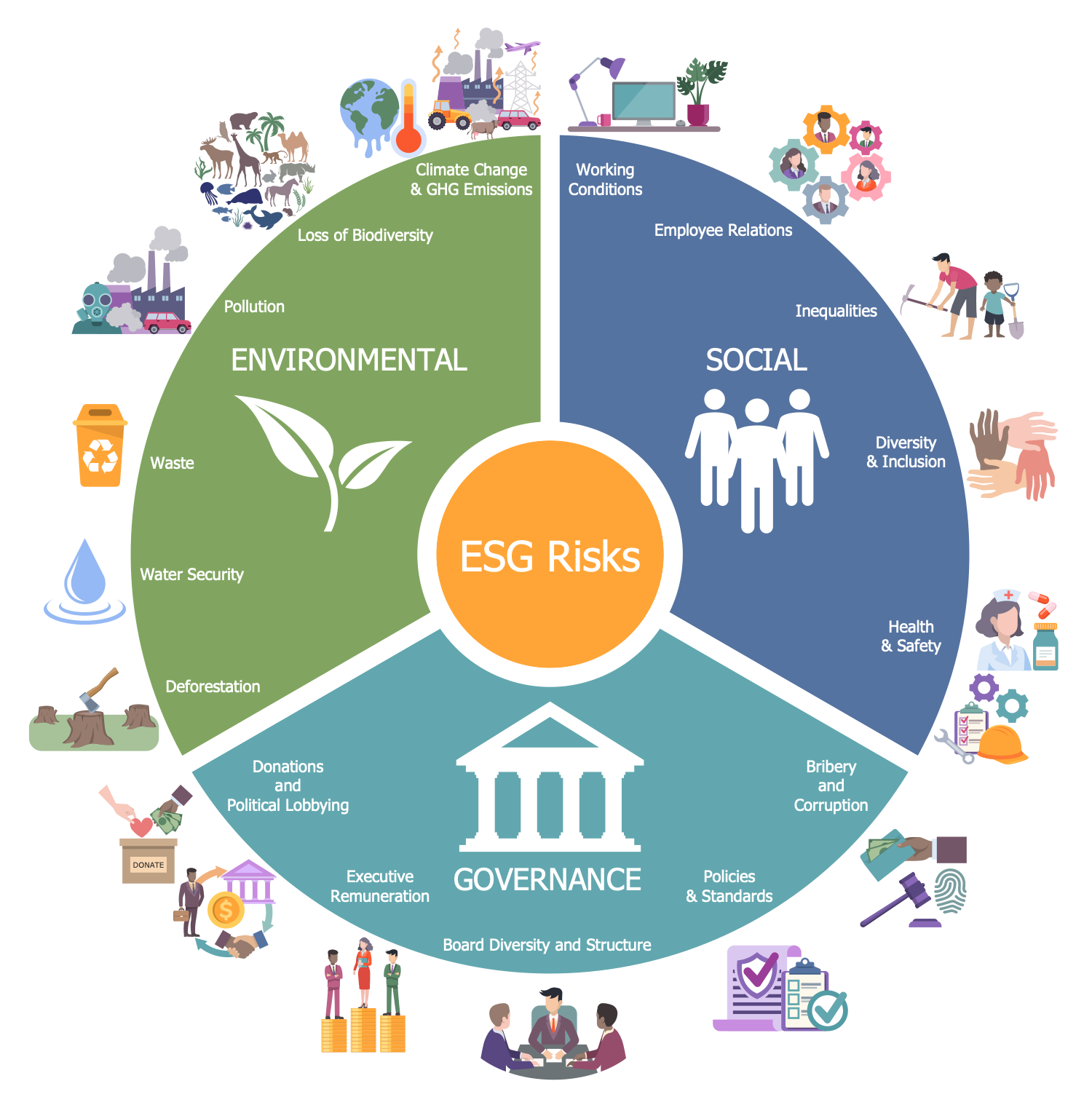
ESG risks: environmental, social and governance
The three areas of ESG risk that the University's policies address: environmental, social and governance.

Smoke-Free Policy

Al-Hadba University has made significant strides towards implementing a smoke-free policy. The university has established designated smoking areas, clearly marked with signs, and actively promotes awareness campaigns to encourage compliance. Additionally, the university provides resources and support for those who wish to quit smoking, demonstrating a commitment to creating a healthier and safer campus environment for all.

Equality, Diversity, and Inclusion Policy

Al-Hadba University has made significant strides towards promoting Equality, Diversity, and Inclusion (EDI) across its campus. The university has implemented comprehensive policies and initiatives that ensure equal opportunities for all students, staff, and faculty, regardless of background, identity, or beliefs. It actively promotes awareness through workshops, training sessions, and inclusive events aimed at fostering respect and understanding within the university community. Additionally, the university provides resources and support networks to empower individuals from underrepresented groups, demonstrating a strong commitment to creating an inclusive, respectful, and equitable learning and working environment for everyone.

Ending Discrimination in the Work Place Policy

Al-Hadba University has made significant strides towards ending discrimination in the workplace. The university upholds a zero-tolerance policy towards all forms of discrimination, whether based on race, gender, age, religion, disability, or any other protected characteristic. It has implemented clear reporting procedures, awareness programs, and training initiatives to foster a culture of respect and fairness among all employees. Additionally, the university provides confidential support services and ensures that all complaints are addressed promptly and effectively, demonstrating a strong commitment to maintaining a safe, inclusive, and equitable work environment for everyone.

Policy Against Forced Labor, Modern Slavery, Human Trafficking, and Child Labor

Al-Hadba University has made significant strides towards upholding human rights by actively opposing forced labor, modern slavery, human trafficking, and child labor. The university is committed to ensuring that its operations, partnerships, and supply chains are free from any form of exploitation. Clear policies, due diligence procedures, and awareness campaigns have been established to identify and address potential risks. Additionally, the university provides training and resources to staff and stakeholders, reinforcing its commitment to ethical practices and the protection of vulnerable individuals. Through these efforts, Al-Hadba University demonstrates its dedication to promoting dignity, freedom, and justice for all.

Ensuring Labor Rights in Third Party Outsourcing

Al-Hadba University has made significant strides towards ensuring the protection of workers' rights when outsourcing activities to third parties. The university is committed to partnering only with vendors and contractors who uphold fair labor standards, ethical practices, and compliance with all applicable labor laws. Clear contractual requirements, regular monitoring, and due diligence procedures are in place to ensure that outsourced workers are treated with dignity and respect. Additionally, the university promotes accountability by encouraging transparency and providing mechanisms for reporting violations, demonstrating its strong commitment to ethical sourcing and the safeguarding of workers' rights across all operations.

Pay Scale Equity Policy

Al-Hadba University has made significant strides towards ensuring pay scale equity across its workforce. The university is committed to providing fair, transparent, and competitive compensation practices that are free from discrimination based on gender, race, role, or other protected characteristics. Regular reviews and audits are conducted to ensure that employees performing similar roles with similar responsibilities receive equitable pay. Additionally, the university promotes awareness around pay equity and provides clear guidelines and support for addressing any concerns, demonstrating its strong commitment to fairness, transparency, and equal opportunity for all staff members.

Energy-Efficient New Buildings and Renovations Policy

Al-Hadba University requires every new building, extension and renovation on campus to meet recognised energy-efficiency standards, from the Iraqi building and thermal-insulation codes to ASHRAE 90.1 and the ISO energy-performance standards, applying whichever is stricter. New buildings must meet strict limits for roof, wall and glazing insulation, use shading, 100% LED lighting with occupancy and daylight sensors, efficient inverter or VRF air-conditioning, sub-metering and solar-ready roofs, while even minor works must use the most efficient equipment available. No project can be approved, tendered or funded without an Energy Compliance Statement, and the Higher Committee oversees a seven-stage approval process that ends with a 12-month metered energy check. Building on the University's solar PV system and LED upgrade, the policy cuts energy use, costs and emissions, and its results are reported every year on this portal.

Fossil Fuel Divestment and Responsible Investment Policy

Al-Hadba University commits to divest from carbon-intensive energy industries, especially coal and oil, and to direct its funds toward clean energy and sustainable development, in line with its target of a 45% cut in emissions by 2030 and carbon neutrality by 2040. The policy bans any new direct or indirect investment in fossil fuels, sets a 12-month deadline to exit thermal coal, coal power and unconventional oil and gas, and requires all remaining oil and gas holdings to be sold by 31 December 2028. Proceeds are reinvested in the University's own solar and energy-efficiency projects, a Green Revolving Fund, green bonds and green sukuk, and research on the energy transition. Banks and fund managers are assessed on their climate policies, no new fossil-fuel generation is allowed on campus, and progress toward a 100% fossil-free portfolio is reported every year on this portal.